Is waking up to manicured fairways and sunset views over the greens your idea of home? If you are exploring golf-course living in Trophy Club’s Denton County side, you want clear answers on lifestyle, rules, and what to look for before you buy or sell. This guide walks you through amenities, HOA and club realities, privacy tradeoffs, inspections, and smart next steps. Let’s dive in.
Golf‑course living in Trophy Club
Golf‑course living in Trophy Club typically means your backyard faces a fairway, green, or course landscaping, often with direct views from patios and large windows. Life here centers on outdoor recreation, social events, and convenient access to a private club environment. Since Trophy Club spans Denton and Tarrant counties, confirm the parcel is in Denton County because taxes, schools, and records can differ by county. The town identity is closely tied to the club and community amenities, which many buyers consider part of the value.
Amenities to expect and verify
Country club benefits to confirm with the club
- Golf course, practice range, pro shop, lessons, and junior programs.
- Clubhouse dining, event spaces, social calendar, and member events.
- Fitness center, pools, and tennis or pickleball courts.
- Membership options, such as golf or social levels, initiation fees, monthly dues, guest policies, and whether membership is transferable when you sell.
Town and neighborhood amenities
- Parks, trails, playgrounds, and community pools that complement club life.
- Town events and municipal services. Confirm which amenities are public versus resident‑only.
- Local schools determined by parcel. Verify district alignment by property address.
How to verify before you fall in love
- Contact the club’s membership office for current amenities, membership levels, dues, and waitlist or transfer policies.
- Cross‑check HOA and town resources to confirm access rules for pools, parks, and trails.
- Ask your agent for clarity on whether a given home’s club access is optional and how membership works if you join after closing.
Homes and features on the fairway
Course‑side inventory in Trophy Club is largely single‑family homes, from comfortable three‑bedroom plans to larger estate properties on oversized lots. You may also find custom homes near greens and tees, plus occasional newer phases or remodels as the community has evolved over decades. Patio homes and townhomes exist but are less common right on the fairway.
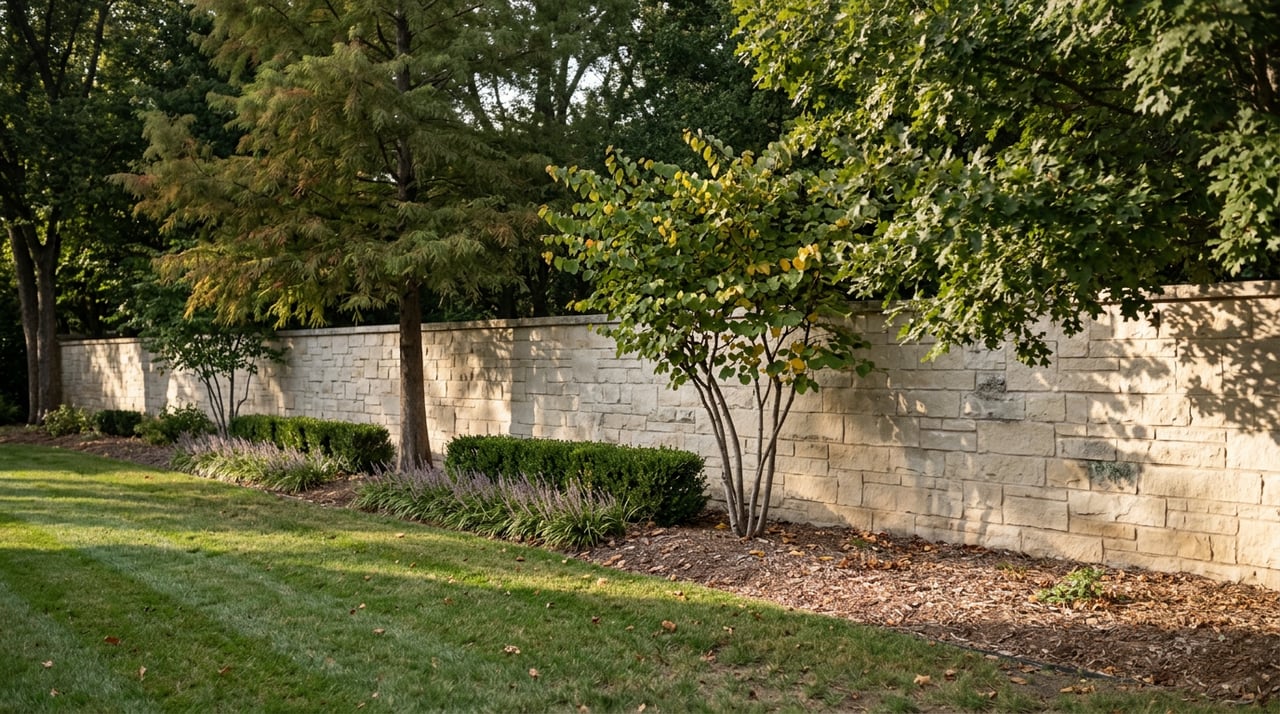
Designs often orient living areas and backyards toward the course to capture views and light. Expect covered patios, large picture windows, and outdoor kitchens or fireplaces. Lot landscaping may include trees, hedges, or native grasses that buffer views and reduce golf‑ball risk. Many homes feature irrigation systems, impact‑resistant windows or roofs, and storage for golf gear.
HOA, CC&Rs, and the club
You will see several layers of rules and services. Municipal code applies town‑wide, while master and sub‑HOAs use CC&Rs and architectural review to manage exterior changes and upkeep. The private club sets separate rules for membership, facilities, and guest access.
Common HOA topics include exterior paint and material approvals, fences and additions, landscape standards, irrigation limits during dry periods, and rules about short‑term rentals or signage. Club membership is usually optional, yet it often enhances daily life and resale appeal. Always obtain the latest CC&Rs, architectural guidelines, and HOA financials, including budgets, reserves, and any planned special assessments.
Privacy, risk, and mitigation
Common tradeoffs near the fairway
- Golf‑ball strikes can affect screens, windows, roofs, vehicles, and landscaping, with higher exposure behind certain holes.
- Early morning maintenance can bring mower or blower noise and service carts on nearby paths.
- Pesticide or fertilizer applications may create occasional odor or drift depending on management practices.
- Cart paths can increase foot traffic near your rear property line.
What to check on site
- Easements and setbacks along the course edge that limit fence height or structures.
- Drainage swales, retaining walls, and any floodplain considerations tied to course stormwater design.
- Current survey for exact lot lines and to confirm there are no encroachments.
Ways to mitigate
- Plant evergreen buffers, hedges, or berms to screen views and reduce ball risk.
- Consider impact‑resistant windows, protective screens, and fences approved by the HOA.
- Confirm homeowners insurance coverage for golf‑ball damage, wind, and hail, and make sure seller disclosures reflect any recurring course‑related issues.
- Use negotiation tools like repair credits, price adjustments, or seller‑installed landscaping buffers if needed.
Showing and inspection checklist
Key questions before you write an offer
- Which county is the parcel in, and which school district serves the address?
- Is the home governed by a master HOA, a sub‑association, or both? Request CC&Rs and recent meeting minutes.
- Is a current property survey available, and are there any recorded easements or encroachments?
- Is the property in a floodplain or special drainage area? Ask for an elevation certificate if applicable.
- What are the club membership options, initiation fees, dues, and transfer rules? Is there a waitlist?
- Are there any special assessments or planned capital projects for the HOA or the club?
What to look for during a showing
- Proximity to the nearest tee and green, the hole number, and the usual direction of play.
- Evidence of ball strikes on windows, screens, siding, patio roofs, or outdoor furniture.
- Quality and coverage of backyard buffers, including trees, hedges, fences, and who maintains them.
- Irrigation zone coverage and condition, including any perimeter drip or spray lines near the course edge.
- Drainage patterns after storms, retaining wall condition, and signs of standing water.
- Roof material and age, window seals, guttering, and patio overhead protection.
- Location of cart paths, maintenance gates, and service routes that may affect noise or privacy.
- Wildlife signs or pest activity along the course corridor.
- Noise level during typical maintenance hours if possible.
Helpful specialists
- A general home inspector experienced with properties next to recreational facilities.
- A landscape or irrigation contractor for drainage and buffer planning.
- A surveyor if any boundary or easement questions arise.
- An insurance agent early in the process to confirm the right coverages.
Market and resale factors
Values for course‑side homes vary by lot size, hole placement, view quality, home condition, and club amenities. Strong outdoor living spaces and active membership communities tend to support resale value. High recurring fees, frequent ball‑damage claims, or restrictive exterior rules can reduce the buyer pool.
For up‑to‑date pricing, days on market, and active inventory, request a current MLS snapshot rather than relying on stale averages. A live data pull aligned to your target lot type and degree of course adjacency will help you set the right expectations.
Prep and photography tips for sellers
- Highlight the relationship to the fairway with wide exterior angles or approved drone shots. Verify drone rules with the town, HOA, and club before flying.
- Showcase indoor‑outdoor flow: stage seating that frames the view from living areas to the patio and lawn.
- Capture buffers and upgrades, such as hedges, screens, impact‑resistant windows, or upgraded roofs.
- Schedule golden‑hour shoots for warm light and depth. Obtain permissions for any club interiors or scenes with people.
Next steps: tours and curated listings
If course‑side living fits your lifestyle, take a targeted approach. Ask for curated listings filtered by degree of adjacency, such as direct rear‑yard exposure, side‑yard exposure, or view‑only lots behind buffers. When you want a closer look, schedule private neighborhood tours and connect with the club’s membership office to understand options, dues, and any waitlists.
Ready to refine your search or prep a Trophy Club listing for market? Reach out to Andrea Miranda for a discreet, concierge plan, curated inventory, and private tours. Get Exclusive Access and move forward with confidence.
FAQs
Do I have to join the private club when buying in Trophy Club?
- Membership is often optional and separate from the real estate purchase, so confirm current policies, levels, dues, and any transfer rules directly with the club.
What are the biggest risks of living on the course in Trophy Club?
- Common issues include stray golf‑ball strikes, early morning maintenance noise, pesticide or fertilizer drift, and increased foot traffic near cart paths.
How do HOA rules differ from club rules for course‑side homes?
- HOA and CC&Rs govern your property’s exterior and maintenance, while club rules control membership access and facility use; request both sets of documents.
What should I inspect specifically in a course‑side house?
- Check for ball‑impact damage, roof and window durability, drainage and irrigation coverage, proximity to tees and greens, and any easements or floodplain notes.
How much do on‑course homes cost and how fast do they sell?
- Prices and market speed vary by view, lot, and condition, so ask for a live MLS snapshot focused on Trophy Club’s course‑adjacent homes in Denton County.
Can I use a course‑side home as a short‑term rental?
- Review HOA and CC&R restrictions before you plan any rental activity, since many associations limit short‑term rentals.
Does Denton County versus Tarrant County status matter for a Trophy Club address?
- Yes, county jurisdiction can affect taxes, schools, and records; verify the parcel’s county and district by property address before making an offer.