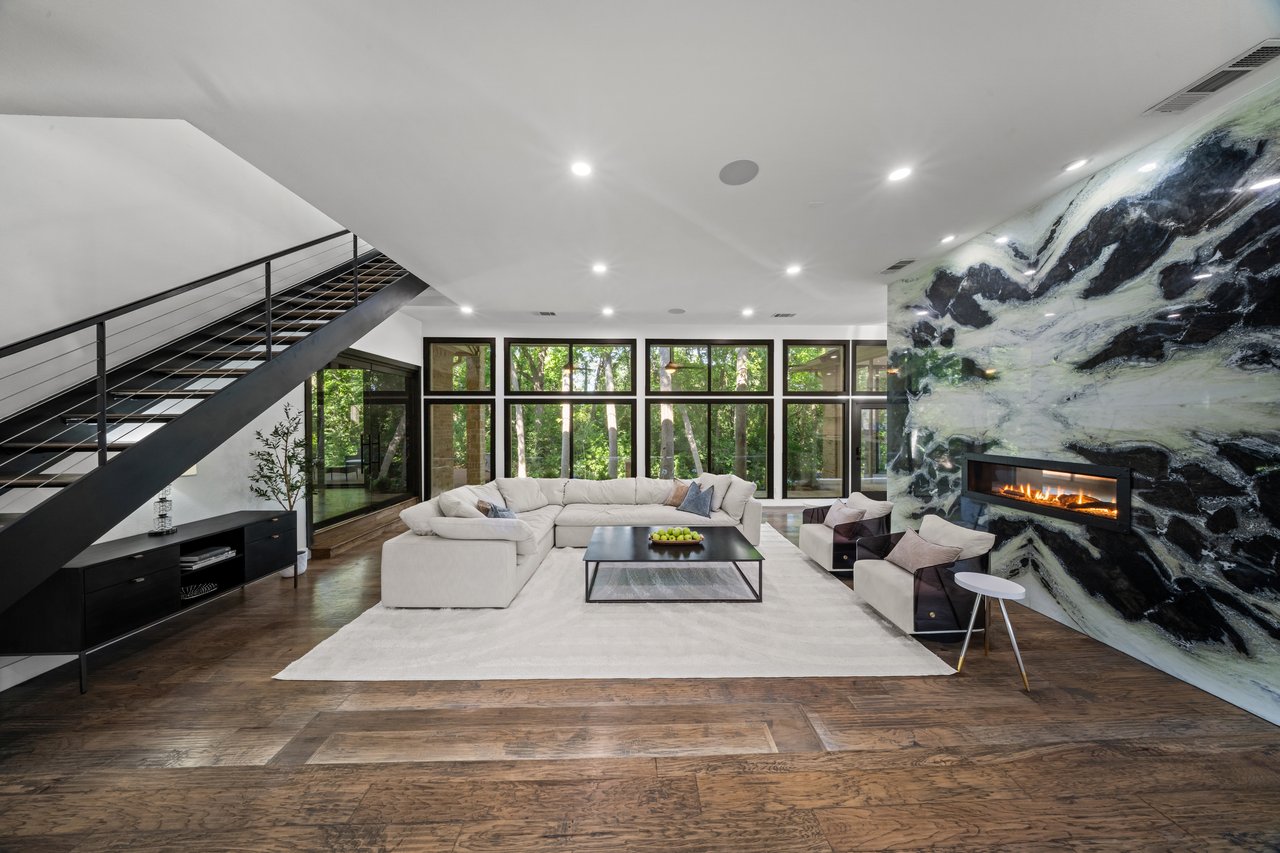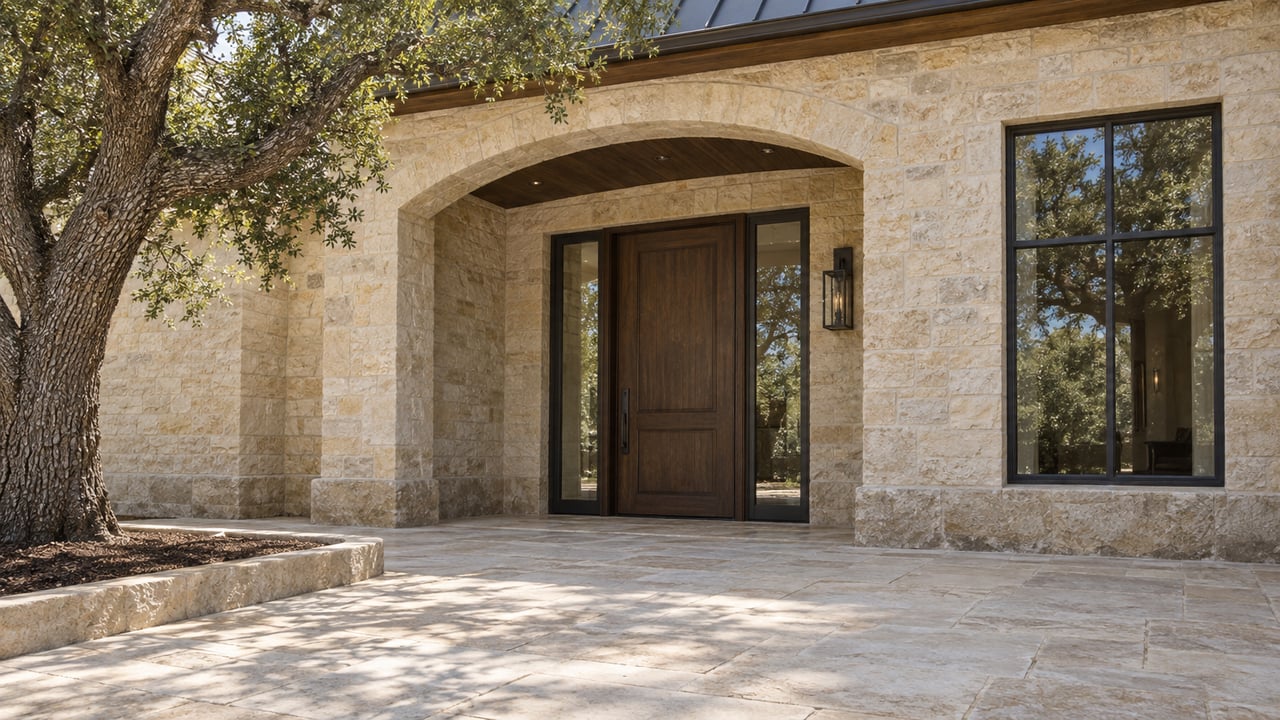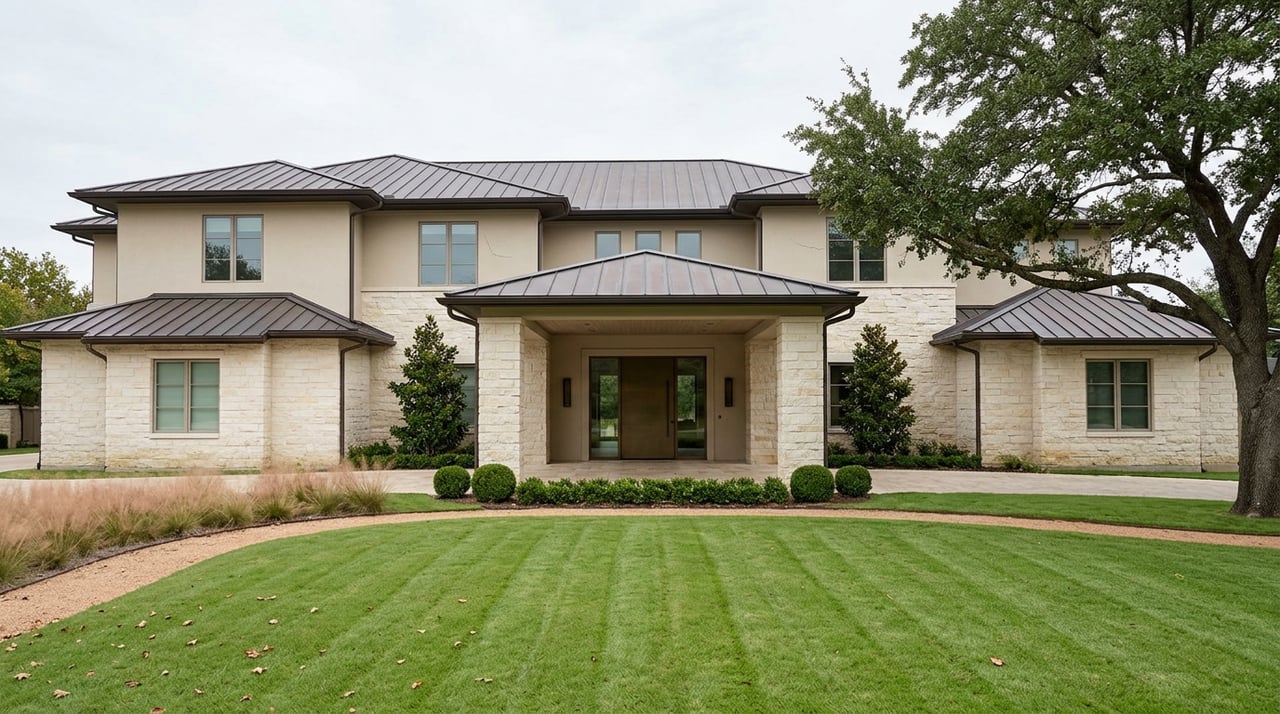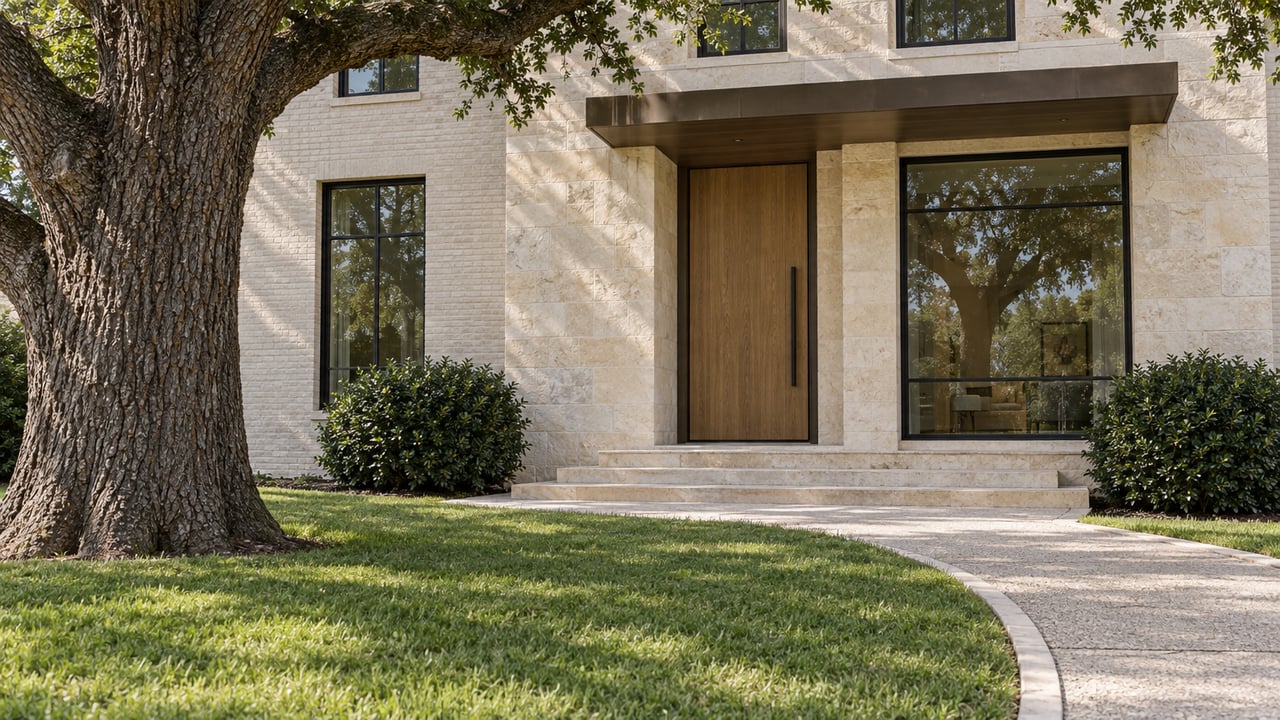
A buyer comparing two Southlake listings this fall will run into a problem that no portal filter solves. Both homes sit inside the same ZIP code. Both are priced within a few hundred thousand dollars of each other. And yet one is a finished, design-forward build commanding well over $500 a square foot, while the other, a few streets over, is priced closer to $350 a square foot for a house that looks, on paper, almost identical in size and bedroom count. The listing photos don't explain the gap. The school zone doesn't explain it either. What explains it is something the median price was never built to capture: Southlake has run out of raw land, and what looks like "new construction" in this city is now mostly a demolition story wearing a real estate listing's clothes.
That distinction matters more than most citywide statistics do, because it changes what a buyer should actually be evaluating when a listing says Southlake.
The City Stopped Platting New Subdivisions Years Ago
Most DFW suburbs still have a pipeline of vacant acreage moving through zoning and into fresh subdivisions. Southlake largely doesn't. The city is close to built out, which means new supply doesn't arrive the way it does in a growing exurb. It arrives through resale, and increasingly through teardown and rebuild on lots that already have a house standing on them.
That's not a marginal trend. It's becoming the primary mechanism by which Southlake's luxury inventory refreshes itself. A meaningful share of the city's housing stock went up between 2000 and 2010, well built at the time but now a full design generation removed from what a 2026 buyer expects. Walled-off kitchens, corner whirlpool tubs, heavy millwork. Structurally sound, functionally dated. For some owners the answer is a gut renovation. For others, especially on the largest and best-positioned lots, the math points somewhere else entirely: knock the house down and start over.
Where The Teardown Math Actually Works
Teardown economics don't pencil out everywhere in Southlake. They work in a specific band of neighborhoods where land value alone justifies the investment, independent of whatever structure currently sits on the lot. Carillon, Timarron, Estates of Southlake, Stone Lakes and Clariden Ranch carry the deepest concentration of this activity, largely because their 2000-2010 vintage homes sit on generously sized lots inside prime Carroll ISD boundaries, and the underlying land has appreciated well past what the original structure is worth.
Here's roughly what that math looks like as of mid-2026:
| Cost Component | Typical Range |
|---|---|
| Land (established lot, prime Carroll ISD zone) | $700,000 – $1.4M or more |
| Demolition and abatement | $18,000 – $35,000, more with asbestos or below-grade removal |
| Custom construction (4,500–7,000+ sq ft, luxury spec) | $1.5M – $3M or more |
| Total project, land through move-in | $2.3M – $5M or more |
| Typical timeline, contract to certificate of occupancy | 18 to 24 months |
That timeline breaks down roughly into one to two months of due diligence and design, two to three months of abatement, demolition and permitting, and 12 to 18 months of actual construction. Buyers who evaluate a teardown deal on purchase price and construction estimate alone routinely get surprised by another $75,000 to $150,000 in carrying costs, site prep and abatement fees stacked on top before framing even starts.
The decision between tearing down and remodeling usually comes down to what's underneath the finishes. A sound foundation and a floor plan that can be reconfigured within its existing footprint often argue for a renovation. A foundation with real issues, a layout that can't be fixed without moving load-bearing walls, or a buyer's vision that simply exceeds what the existing structure can support tends to point toward a full teardown instead.
Architectural Review Before a Teardown
Architectural review itself varies by neighborhood in ways that affect both cost and calendar. In Carillon, for instance, any exterior change, including additions and window relocations, requires review as part of the contract, not as an optional extra. A full submission package covering elevations, site plan and materials typically takes four to eight weeks to clear, with first-round approvals common when a design respects the home's existing architectural language. Buyers weighing a teardown or a major renovation need to know which review board they're actually answering to before they fall in love with a lot.
What The Median Is Hiding
Citywide, Southlake's median sale price sat near $1.3 million in March 2026, and a 30-day snapshot from late May 2026 put it at $1,370,000, down roughly 11 percent year over year, with a median price per square foot near $357 and about a quarter of active listings taking at least one price reduction. Inventory had grown by roughly 21 percent year over year by early 2026, giving buyers meaningfully more to choose from than in recent years.
Those numbers describe a market with room to negotiate. They do not describe what's actually happening on a street-by-street basis. A 2026 new-construction listing on Sweet Street priced near $575 a square foot, more than 60 percent above the citywide median figure from the same stretch of the year. Meanwhile, ZIP-code-level data for 76092, which covers most of Southlake, showed an average asking price of $2.55 million and roughly $540 a square foot as of September 2026, well north of the closed-sale medians reported earlier in the year. Some of that gap reflects the normal difference between what sellers ask and what buyers ultimately pay. But a large piece of it reflects something else: the ZIP code average is being pulled upward by the same finished, land-value-driven rebuilds that the citywide median can't distinguish from a dated 2004 resale two blocks away.
In a market this size, a handful of closings can swing the monthly median several points in either direction, which is exactly why a single citywide number is the wrong thing to anchor a search on. The real spread in this city runs between a home priced for its land and one already priced for what's been built on that land.
Reading A Southlake Listing Correctly
Given all of that, the practical question for a buyer isn't "what's the median in Southlake." It's closer to: is this specific listing priced as a finished product, or is it priced as raw land with a depreciating structure attached. A few things worth checking before a first tour:
- What year was the structure actually built, and does the interior match that vintage or has it already been substantially rebuilt
- Is the lot large enough, and is it in a neighborhood, where teardown economics have historically worked
- Which architectural review process actually governs this address
- If buying with rebuild intent, has the 18 to 24 month timeline and the full cost stack, not just land and construction estimates, been budgeted honestly
None of this shows up cleanly in a portal's headline price. It shows up in walking the specific block, understanding the vintage of what's standing there now, and knowing which review board actually has authority over what gets built next.
A Few Questions Worth Asking Before You Tour
Is every home in Carillon or Timarron a teardown candidate? No. Teardown economics depend on lot size and land value relative to the existing structure, not neighborhood name alone. Some homes in these neighborhoods are well-suited to renovation rather than replacement.
If I buy a resale planning to rebuild later, should I budget to the citywide median? No. Budget to the land value plus full project cost stack, since the citywide median blends finished rebuilds with dated resales and tells you very little about either one individually.
If you're weighing a Southlake resale against a teardown lot, or trying to figure out which side of that line a specific listing actually falls on, Andrea Miranda can walk the block with you and price the land separately from whatever is currently standing on it.
This article is general information, not legal, tax or financial advice. Consult a qualified professional about your situation.